


Specialists in Electric Hot Water Cylinders


The Tundish Explained: What It Is, Why It Drips, and When You Should Worry
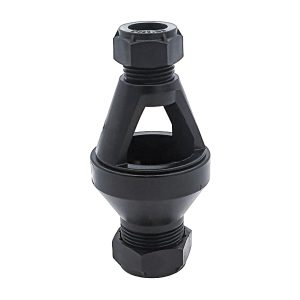
If you have an unvented hot water cylinder in your home, you’ve probably noticed the small plastic or metal fitting in the pipework. This is the tundish. Many homeowners aren’t entirely sure what the tundish does, why it sometimes drips, or when a drip is a sign of a serious problem.
This guide explains how the tundish works, why it’s included in all UK unvented installations, and the situations where you should call a G3-qualified engineer if you notice a problem.
What a Tundish Actually Does
The tundish is a mandatory component under UK Building Regulations (G3). It sits in the discharge pipework connected to the temperature and pressure relief valve (T&P valve) and (in many systems) the expansion relief valve.
The tundish lets you:
- See any discharge of hot water (for safety)
- Monitor pressure and expansion behaviour
- Identify early signs of failure
The fitting usually has a small outlet with a clear viewing gap. If water passes through the tundish, it’s a sign your system is relieving pressure or temperature somewhere.
Why the Tundish Might Drip
A tundish shouldn’t normally discharge water. However, there are two types of discharge to look out for:
1. Occasional Drips During Heating (usually harmless)
A small, intermittent drip that occurs only while the cylinder is heating is usually due to normal thermal expansion. In some systems, especially older designs, the expansion relief valve handles excess pressure during heating cycles.
2. Continuous or Frequent Dripping (a sign of a problem)
If the tundish drips constantly, even when the system isn’t heating, this almost always means something is wrong.
Common causes include:
- A faulty pressure-reducing valve in the combination valve
- A failing expansion vessel (lost charge or ruptured diaphragm)
- A sticking or worn temperature and pressure relief valve
- Excessively high mains pressure
- Limescale build-up or debris affecting the valves
How to Tell the Difference Between Safe and Unsafe Discharge
A safe, normal discharge:
- Happens occasionally
- Only occurs during heating
- Stops once the cylinder reaches temperature
- Shows up as a light drip or short burst
An unsafe discharge:
- Occurs frequently or continuously
- Is warm or hot to the touch
- Happens even when the cylinder isn’t heating
- Flows in a steady stream rather than drops
- Produces hissing or gurgling noises
What You Should Do If Your Tundish Is Dripping
If you notice regular dripping, take these steps:
- Switch off the immersion heater or boiler: This prevents the system from heating while you diagnose the issue.
- Check the pressure gauge (if your system has one): A high reading can mean a failed regulator or expansion vessel.
- Look for recent changes: Have you had plumbing work done? Have you replaced anything? Changes in system pressure can affect the cylinder.
- Call a G3-qualified engineer: Never try to handle repairs on your own.
Why You Shouldn’t Bypass or Modify a Tundish
Some homeowners assume the tundish is just a visual inspection point and try to reposition, extend, or even bypass it. This is illegal and dangerous.
A tundish has to:
- Be accessible and visible
- Be installed vertically
- Maintain a clear air gap
- Comply with G3 discharge pipework sizing rules
An Important Tool
The tundish is simple but important. It gives the only visual indication that your unvented cylinder is relieving pressure, and it’s usually the first sign that something is wrong. Occasional drips may be normal, but frequent or continuous discharge is a warning that your system needs immediate professional attention.
FB
Spotted water dripping through the small funnel-shaped fitting on your unvented cylinder’s pipework? You’ve noticed the tundish, one of the most important safety components in your hot water system. While it looks simple, the tundish gives you a visual warning whenever your cylinder is relieving pressure or temperature. That means any discharge through it is worth paying attention to.
An occasional drip during the heating cycle is completely normal and just part of the system’s thermal expansion. But frequent or continuous dripping is a clear sign that something isn’t right. It could be a problem with the expansion vessel, your pressure reducing valve, or even a stuck temperature and pressure relief valve. If left unresolved, these can affect your hot water performance, increase your energy bills, and, in some cases, pose a safety risk.
This post explains how a tundish works, what different types of discharge mean, and the situations where you should call a G3-qualified engineer straight away. Explore the full post to learn why your tundish drips and what you should do about it.
Source:
https://www.vaillant.co.uk/advice/heating-tips/home-advice/what-is-a-tundish/



Find out what our clients are saying about the services we provide
Click to view