


Specialists in Electric Hot Water Cylinders


Retrofitting Modern Unvented Cylinders into Older UK Properties
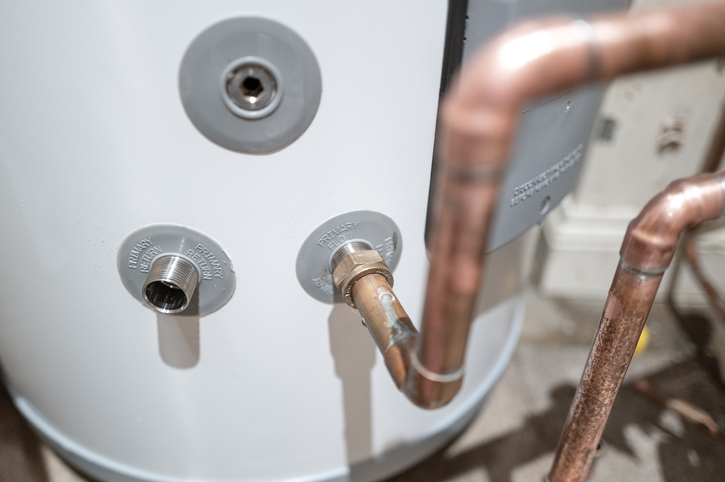
There’s a lot to love about a Victorian or Edwardian terrace with their high ceilings, solid walls, and original details. However, if you’ve ever tried to run a modern shower off a gravity-fed, vented hot water system, you’ll know just how problematic that can be. Unvented cylinders give you inconsistent pressure and temperamental mixing. Plus, there’s the ever-present loft tank taking up space you’d rather use for storage (or not have at all).
That’s why many renovation projects include the switch to an unvented hot water cylinder. You get hot water stored and delivered at mains pressure without changing the character of the house.
Vented vs. Unvented: What You’re Actually Changing
Before we go further, let’s clarify the differences between vented and unvented systems:
- A traditional vented system is usually fed from a cold-water storage cistern (often in the loft), using gravity to create pressure and waterflow.
- An unvented (closed) hot water storage system is fed from a mains supply (without a vent pipe) and uses safety devices to control temperature, pressure, and water expansion.
The appeal of unvented systems should be obvious: no reliance on a header tank for pressure, and a more flexible layout during refurb works.
Can It Go Anywhere?
You’ll often hear that unvented cylinders can be installed almost anywhere. The spirit of that is true. You’re no longer tied to a loft tank setup. However, the location still needs to work for other things (think pipework, servicing access, and safe discharge).
Here’s what usually matters in an older property:
Mains Water Supply and Pressure
Because the system is mains-fed, your incoming supply needs to be up to the job. A good installer will check flow rate and pressure, and may recommend upgrades to old pipework or a tired stop tap if necessary. Undersized and aging mains are pretty common with some terraces.
Finding the Right Space
Common cylinder locations in period homes include:
- The airing cupboard
- A utility room or kitchen cupboard
- A basement
- Occasionally, a loft
The benefit of going unvented is that you can often design the system around your renovation rather than designing your renovation around a loft cistern.
Discharge Pipework
Unvented cylinders discharge water safely in the rare event of overheating or over-pressurisation. A tundish provides a visible air break and shows you water discharge, and helps conduct discharge safely to a termination point.
Building Control guidance also stresses that hot water discharged from safety devices must be safely conveyed to somewhere visible, without danger to occupants.
In a Victorian/Edwardian terrace, routing that discharge pipe neatly to a safe external point can be one of the biggest “logistics” parts of the project.
Safety Controls and Expansion Provision
Unvented hot water systems have to accommodate expansion and include safety arrangements to prevent overheating and over-pressurising (temperature relief valves, combined temperature and pressure relief valves, pressure reducing valves, and expansion vessels).
This is also why unvented systems are not a DIY upgrade.
You Need a G3-Qualified Engineer
Even if you’re comfortable tackling a kitchen, fitting flooring, or running new radiators, unvented cylinders are different.
Building Control guidance notes that an unvented hot water storage system “may only be installed by a person competent to do so” because, if installed incorrectly, it could pose a serious risk. Engineers need unvented/G3 competence to install these systems.
So, if you’re renovating, plan your cylinder upgrade early and budget for a G3-qualified installation and certification as part of the project.
Your Next Step
If you’re upgrading a period property from a vented to an unvented setup, EasyFlow can help you assess the space, mains supply, and discharge route, and one of our G3-qualified engineers will install the system safely.Contact usfor a site survey, which can save a lot of redesign (and replastering) later.



Find out what our clients are saying about the services we provide
Click to view