


Specialists in Electric Hot Water Cylinders


How the Boost Button Really Works on Unvented Water Heaters (And When You Should Use It)
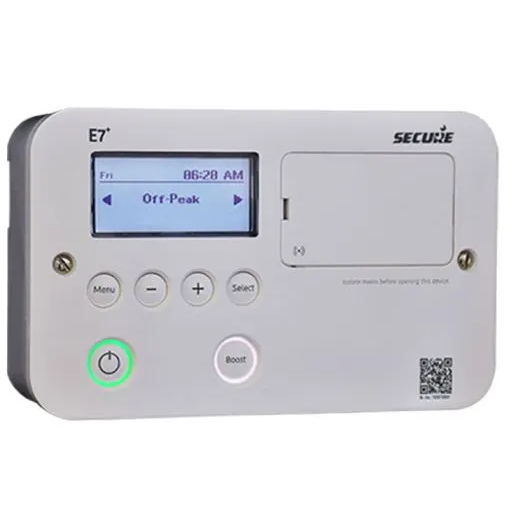
If you have an unvented hot water cylinder or thermal store, you’ve probably noticed the boost button on the controller. For many households, it’s the most misunderstood feature on the system. Some people use it daily, others never touch it, and plenty don’t actually know what it does.
When used the right way, boost can be very convenient. However, using it incorrectly can increase your energy bills and shorten the lifespan of your immersion heater. This guide explains how boost works, when you should (and shouldn’t) use it, and how it interacts with your timer or programmer.
What the Boost Button Actually Does
Most unvented cylinders in the UK have two immersion elements.
- A bottom element that heats the whole tank
- A top element that heats only the upper section (the part you draw from first)
Your timer usually controls the bottom immersion, which runs for longer periods to heat the full volume during your normal schedule, typically early morning or overnight on Economy 7.
The boost button activates the top immersion only. Because it heats a smaller amount of water, it raises the temperature much faster (usually within 10 to 30 minutes, depending on cylinder size).
This means:
- Boost is not intended to heat the entire cylinder
- It is designed for quick top-ups, not daily heating
- It operates at standard daytime electricity rates in most cases
Why Manufacturers Include a Boost Function
Boost is particularly useful when:
- You’ve had extra showers or visitors
- You’ve run a bath after the cylinder has already cooled
- You forgot to set the timer
- You returned home after a few days away
- Someone has used unexpected amounts of hot water
How Long Should Boost Run?
Most boost cycles run in 15-minute intervals, and many controllers let you choose your cycle (15, 30, 45, or 60 minutes).
A typical UK household can often get:
- A quick shower from a 15 to 20 minute boost
- Two showers from a 30 to 40 minute boost
- Small washing-up sessions from even shorter cycles
If you regularly use boost for more than an hour, something else is wrong.
When Boost Saves Money and When It Costs More
Boost can save money when you use it every now and then for unexpected demand. However, misuse can raise your bills:
- Using boost every day instead of fixing timer settings
- Running multiple boost cycles because the system isn’t heating fully
- Using boost during the most expensive peak-rate periods
- Pressing boost when the real problem is a failed immersion element
If you’re relying on it daily, your system needs either reprogramming, maintenance, or repair.
Boost on Economy 7 Tariffs
If you’re on Economy 7 or Economy 10:
- Your main heating should take place at night
- Boost should be a rare emergency top-up
- Using boost during peak daytime hours can cost up to twice as much
Signs Something Is Wrong (If You Use Boost Often)
If you frequently rely on boost to get even basic hot water, the problem may be one of the following:
- The timer isn’t programmed correctly
- The bottom immersion element has failed
- The thermostat has tripped or malfunctioned
- The cylinder isn’t heating during the overnight tariff
- Pressure or combination valve issues are limiting recovery
- There’s unexpected heat loss through poor insulation or a faulty component
In these cases, the boost button is only masking the real issue.
When Not to Use Boost
Avoid using boost if:
- You have a known electrical fault
- The cylinder is making unusual noises
- The tundish is dripping or discharging
- There are strong smells or signs of overheating
These issues require immediate attention from a G3-qualified engineer.
To Boost or Not to Boost?
The boost button is a helpful feature as long as you use it correctly. It’s designed for occasional, fast heating when you’ve unexpectedly run low on hot water. Understanding how boost interacts with your immersion elements and timer will help you save energy and keep your hot water supply consistent.
FB
If you’ve ever wondered what the boost button on your unvented cylinder or immersion controller really does, you’re not alone. Many UK households treat boost like a normal part of daily hot water heating, but that can waste energy and push up your bills. Boost is designed to heat only the top section of your cylinder, giving you a quick burst of usable hot water in 10 to 30 minutes.
Boost isn’t meant to replace correct timer settings. If you find you’re pressing it every day, there’s probably an underlying issue, like a failed immersion element, a misconfigured programmer, or a thermostat problem. Using boost at peak daytime electricity rates (especially if you’re on an Economy 7 tariff) can make your water heating far more expensive than it needs to be.
Read our full post to learn how to use boost correctly and avoid unnecessary energy costs.
Source:
https://horizonservice.net/what-is-a-water-heater-booster-and-do-you-need-one/



Find out what our clients are saying about the services we provide
Click to view