


Specialists in Electric Hot Water Cylinders


Combination Valves on Unvented Cylinders: What They Do and How to Spot Problems Early
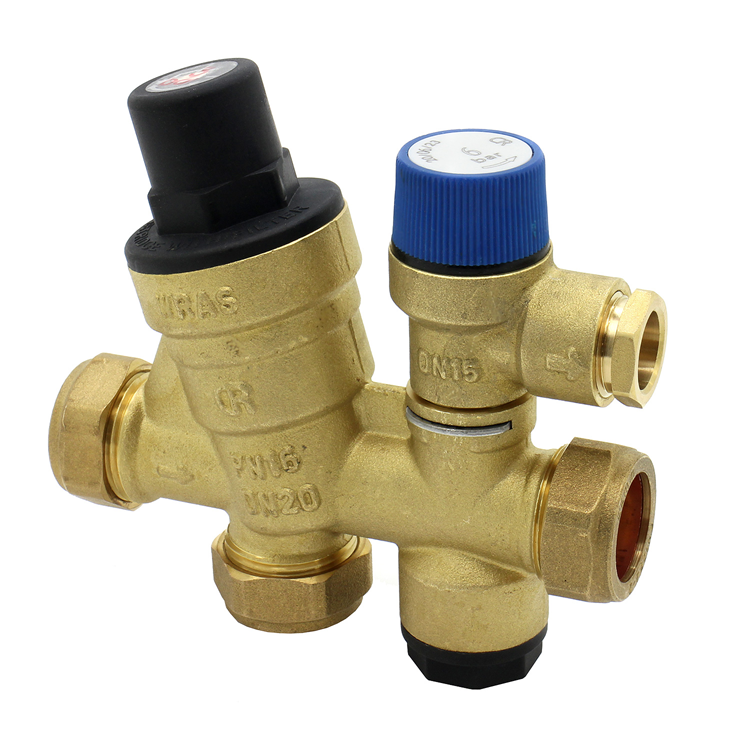
If you have an unvented hot water cylinder in your home, the combination valve is one of the most important components. Despite being relatively small, this single assembly performs several critical jobs: regulating incoming mains pressure, preventing backflow, and protecting the system from dangerous over-pressure.
When it isn’t functioning correctly, you might expect anything from low flow rates to high energy bills. In some cases, you may have a complete loss of hot water. Understanding how combination valves work and recognising early signs of problems can help.
What a Combination Valve Actually Does
A combination valve is a multi-function unit fitted on the cold water supply to your unvented cylinder. It usually includes:
-
A pressure-reducing valve (PRV) lowers the incoming mains pressure to the correct operating level for the cylinder.
-
A single check valve prevents backflow into the mains supply.
-
A balancing port or outlet feeds other components, like expansion vessels.
-
A pressure relief element may be included, depending on the system design.
Why Pressure Regulation Matters
Most unvented cylinders operate at a specific pressure, usually 2.1 to 3.5 bar, depending on the manufacturer. If the mains water pressure exceeds this, the PRV within the combination valve reduces it to a safe, stable amount.
If the pressure is too high:
-
The expansion vessel becomes overloaded
-
Temperature and pressure relief valves may discharge
-
Water may flow through the tundish
-
You may see fluctuating hot water temperature
-
Components wear out more quickly
If the pressure is too low:
-
The cylinder may not fill correctly
-
Hot water may splutter or stop altogether
-
Showers and taps deliver poor flow
Common Signs Your Combination Valve Isn’t Working Properly
Because the valve handles multiple things, any fault can change how your system performs. Here are typical warning signs:
1. Reduced Hot Water Pressure
If your hot taps or showers suddenly feel weak, the PRV may be restricting flow more than it should.
2. Water Discharging Through the Tundish
This can happen when the valve doesn’t regulate pressure correctly, causing the relief valve to open.
3. Constant Dripping or Hissing Sounds
A combination valve shouldn’t run noisily. Hissing usually means a failing diaphragm or debris obstructing the pressure regulator.
4. Cylinder Heating Issues
If the cylinder isn’t filling at the right pressure, it may not heat properly, leading to lukewarm or no hot water.
5. Noisy Pipework
High or unstable pressure can create banging or vibrating pipes.
6. Inconsistent Temperature
Fluctuating pressure can cause noticeable temperature swings.
Why Combination Valves Fail
Several different things can affect combination valves:
-
Limescale build-up (common in hard-water areas)
-
Debris from the mains supply
-
Age-related wear of internal seals
-
Corrosion
-
Excessive pressure spikes from the mains
Unfortunately, combination valves aren’t repairable. When one component fails, the whole unit normally needs replacing.
Can You Adjust a Combination Valve Yourself?
No, and you shouldn’t try. Under UK regulations, combination valves must be inspected, maintained, and replaced by a G3-qualified engineer.
Maintenance and Prevention Tips
While you can’t service these valves directly, you can prevent many issues by:
-
Having your unvented cylinder serviced annually
-
Checking for dripping from the tundish
-
Listening for unusual noises
-
Ensuring pipe insulation is intact
-
Monitoring hot water pressure and temperature changes
Is It Time to Call EasyFlow?
The combination valve is built into every unvented cylinder. When it fails, the symptoms can be confusing, including anything from poor hot water pressure to unexpected tundish discharge. Understanding the warning signs helps you act quickly. If you notice any symptoms of valve failure, always contact a G3-qualified engineer.
FB
Most homeowners don’t realise how important the combination valve is to their unvented hot water cylinder. This single valve controls incoming mains pressure, prevents backflow, and helps keep your system operating safely under UK G3 regulations. When it starts to fail, the symptoms can look like unrelated problems, including weak hot water flow, fluctuating temperatures, strange hissing noises, or even water dripping through the tundish.
A failing combination valve can also make the cylinder heat unevenly, increasing your energy consumption and wear on other components. Many issues that look like they’re caused by immersion heaters or thermostats are actually due to unstable water pressure created by a worn or partially blocked valve.
In this post, we break down what the combination valve does, why it’s important for the safe operation of an unvented system, and the most common early warning signs homeowners should watch for.
Check out our full blog post to learn how combination valves work and how to spot problems before they escalate.



Find out what our clients are saying about the services we provide
Click to view